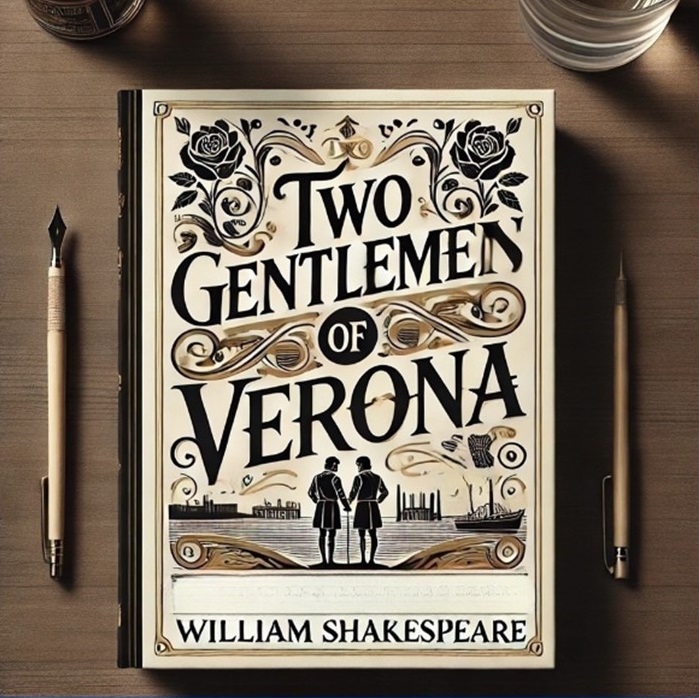
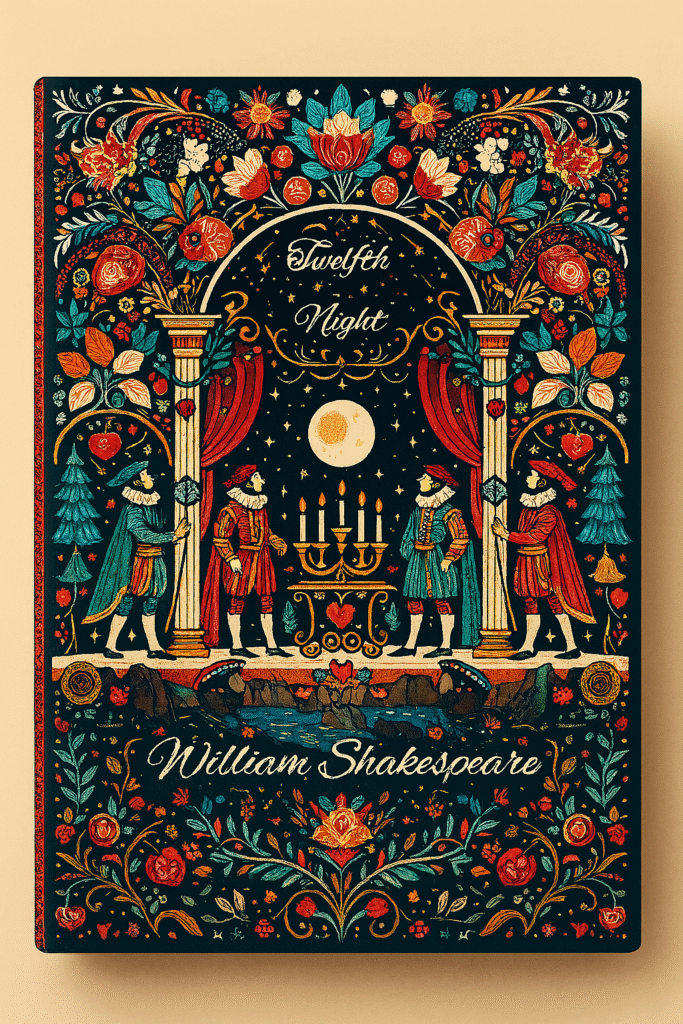
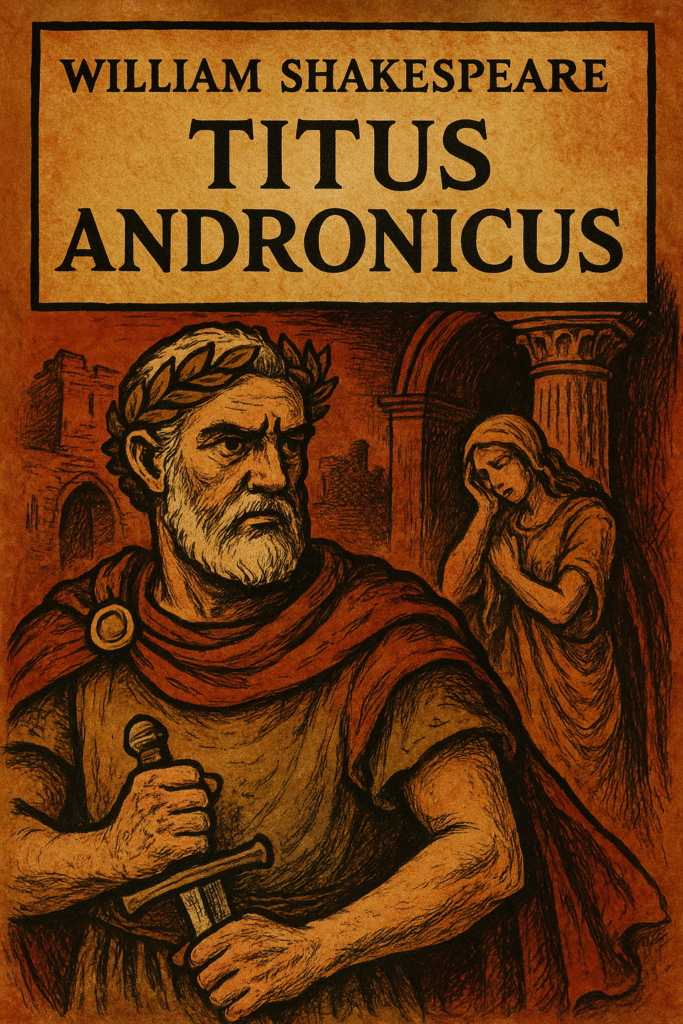
William Shakespeare, born in 1564 in Stratford-upon-Avon, England, is widely regarded as one of the greatest writers in the English language and the world’s preeminent dramatist. Little is known about his early life, but by his late twenties, Shakespeare had established himself in London as a prominent actor, playwright, and poet. His career flourished during the reign of Queen Elizabeth I and continued under King James I, making him a central figure in the flourishing Elizabethan and Jacobean theatre scenes. Over the course of his life, he wrote 39 plays, 154 sonnets, and two long narrative poems, each marked by their depth, artistry, and profound insight into human nature.
Shakespeare’s works span multiple genres, including tragedies like Hamlet, Macbeth, and King Lear; comedies such as A Midsummer Night’s Dream and Twelfth Night; and histories like Richard III and Henry V. His tragedies are particularly celebrated for their exploration of ambition, revenge, love, and moral complexity, while his comedies often delve into themes of identity, love, and transformation. Shakespeare’s histories, meanwhile, reflect on power, loyalty, and the consequences of leadership.
Shakespeare’s writing style is characterized by his masterful use of iambic pentameter, vivid imagery, and inventive language, coining numerous words and phrases that remain in common usage today. His ability to capture the complexities of human emotions and relationships, combined with his wit and versatility, has endeared him to readers and audiences for centuries. His plays invite interpretation, allowing each generation to find new meaning and relevance within their timeless narratives.
Readers and theatre goers alike are drawn to Shakespeare’s work for its universality, emotional resonance, and exploration of human experience. His characters—from the tragic Hamlet to the mischievous Puck—are relatable and iconic, embodying emotions and dilemmas that transcend time. Shakespeare’s legacy is unparalleled, as his works continue to shape literature, theatre, and the broader understanding of humanity, making him a true pillar of world literature.