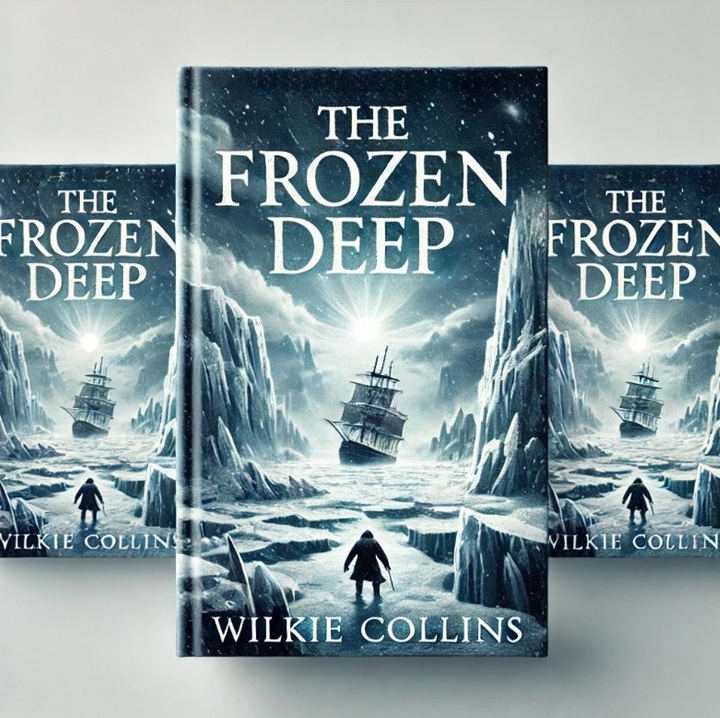
Wilkie Collins (1824–1889) was an English novelist, playwright, and short story writer whose pioneering contributions to the development of the mystery and detective genre have cemented his place as one of Victorian literature’s most significant figures. Born William Wilkie Collins in London, he was the son of the renowned landscape painter William Collins, which fostered his early exposure to the arts. After studying law at Lincoln’s Inn, Collins chose to pursue writing, a decision that would yield a prolific career.
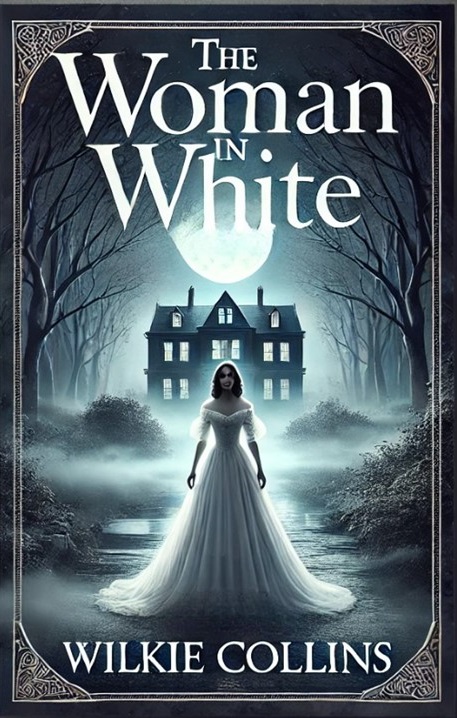
Collins is most famously known for his groundbreaking novel The Woman in White (1859–1860), which is widely regarded as one of the first sensation novels. The book captivated readers with its intricate plot, unforgettable characters, and an atmosphere brimming with suspense and intrigue. The tale’s themes of identity, deception, and power resonated deeply with Victorian audiences and continue to enthral modern readers with its blend of Gothic and realistic elements.
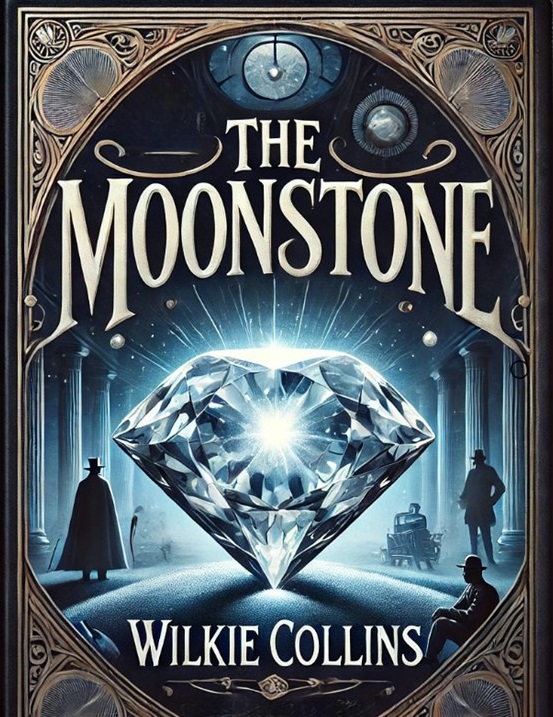
Another of Collins’s celebrated works is The Moonstone (1868), often hailed as the first modern English detective novel. The story revolves around the theft of a sacred Indian diamond and the ensuing investigation. The novel’s use of multiple narrators and its pioneering detective, Sergeant Cuff, set the stage for future detective fiction, influencing generations of authors, including Arthur Conan Doyle. Collins’s mastery of the genre was evident in his ability to craft complex plots and delve into psychological depth, making his stories both thrilling and thought-provoking.
Readers love Collins’s work for its seamless mix of suspense, mystery, and social critique. He was a master at weaving multifaceted plots that tackled pressing societal issues such as class disparity, gender roles, and the legal system. His narrative style is marked by vivid characterisation, dramatic tension, and an innovative use of multiple perspectives, all contributing to a reading experience that is both entertaining and intellectually stimulating.
Collins’s legacy endures as one of the most engaging and inventive storytellers of the Victorian era, a writer whose influence can still be felt in modern crime and mystery fiction.