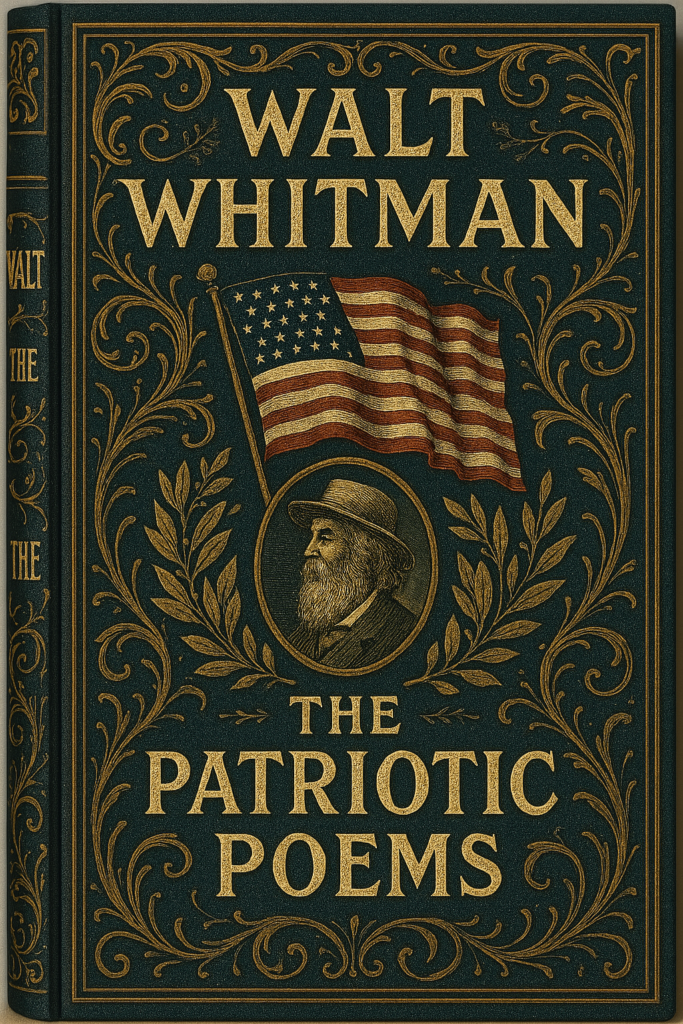
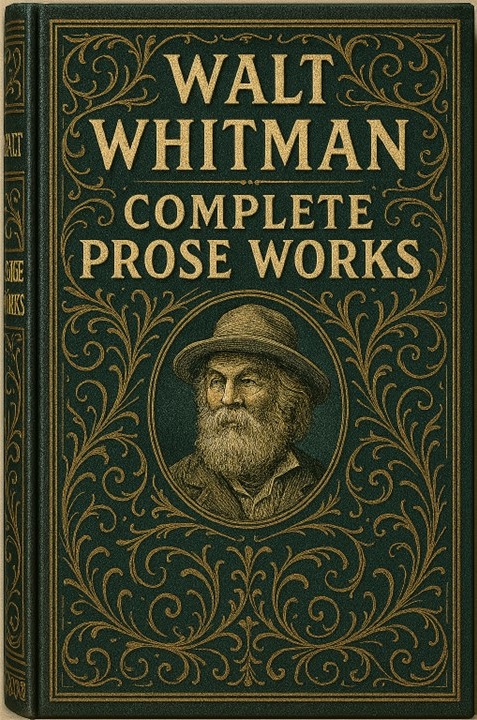
Walt Whitman, born in 1819 in West Hills, New York, is often hailed as the father of free verse and one of America’s most influential poets. Growing up in a working-class family, Whitman’s life and poetry were shaped by his experiences with diverse people, places, and professions, from his early work as a printer and teacher to his time as a journalist and, later, a volunteer nurse during the Civil War. Deeply moved by democratic ideals, Whitman embraced a vision of poetry that would be accessible and speak to the spirit of the American people.
Whitman is best known for his groundbreaking collection Leaves of Grass, first published in 1855 and expanded throughout his life. In this collection, Whitman celebrated the human body, the self, and the natural world, weaving themes of equality, individualism, and spiritual unity. Poems such as “Song of Myself,” “I Sing the Body Electric,” and “O Captain! My Captain!” have become cornerstones of American literature. “Song of Myself” in particular is a bold, sweeping exploration of identity, interconnection, and the beauty of ordinary life. Whitman’s work, revolutionary in both style and substance, broke away from traditional rhyme and meter, embracing free verse that allowed for a more personal and expansive voice.
Whitman’s genre is lyrical and transcendental poetry, marked by free verse, vivid imagery, and an intimate, conversational tone. His style is open, expansive, and democratic, filled with long lines, cataloguing, and an all-encompassing embrace of humanity. Through his work, Whitman sought to capture the essence of America’s soul and spirit, championing diversity and unity.
Readers love Whitman’s work for its inclusiveness, optimism, and the way it celebrates both the individual and the collective human experience. His poetry continues to resonate for its celebration of life, freedom, and self-discovery, inspiring readers to connect deeply with themselves and the world around them. Whitman’s legacy endures as a poet of humanity, whose words continue to speak to the boundless potential of the human spirit.