
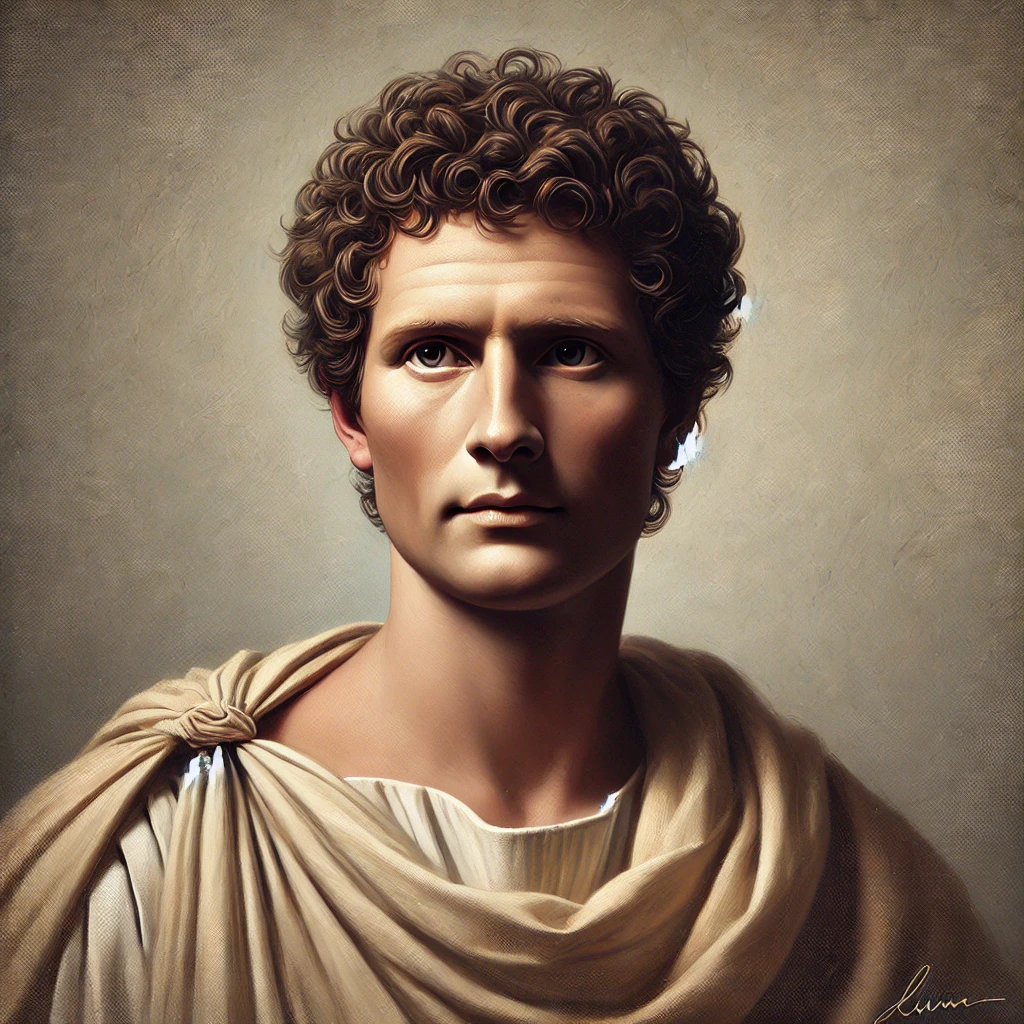
Virgil, born Publius Vergilius Maro in 70 BCE near Mantua in northern Italy, is one of ancient Rome’s greatest poets, revered for his profound influence on Western literature. Virgil lived through a turbulent period marked by political upheaval and the transition from the Roman Republic to the Roman Empire under Augustus. His poetic works reflect the cultural and political aspirations of his time, celebrating Roman ideals while exploring universal themes of duty, sacrifice, and human destiny. Educated in rhetoric, philosophy, and poetry, Virgil was a thoughtful and meticulous poet whose works resonate for their emotional depth and masterful language.
Virgil is best known for The Aeneid, an epic poem commissioned by Emperor Augustus to celebrate Rome’s origins and destiny. The Aeneid tells the story of Aeneas, a Trojan hero who escapes the fall of Troy to embark on a journey that ultimately leads him to Italy, where he is destined to lay the foundations of Rome. Through Aeneas’s journey, Virgil explores themes of loyalty, honour, fate, and the sacrifices required for the greater good. The epic’s grand, tragic tone and its blend of human struggle and divine intervention have made it a cornerstone of classical literature, comparable to Homer’s Iliad and Odyssey.
Virgil’s genre is epic poetry, and his style is characterized by its formal structure, vivid imagery, and an eloquent, rhythmic use of Latin verse. His language is polished and elegant, often blending mythological allusions with a deep sense of humanity, which makes his characters’ struggles and emotions feel timeless.
Readers admire Virgil for his ability to weave themes of heroism and sacrifice with a sense of moral complexity. His works have captivated readers for centuries, inspiring not only poets and artists but also philosophers and leaders who see in Virgil’s poetry a reflection of Rome’s ideals and the enduring human quest for purpose. Virgil’s legacy lives on through The Aeneid, a classic work that continues to resonate for its portrayal of courage, destiny, and the founding myths of civilization.

