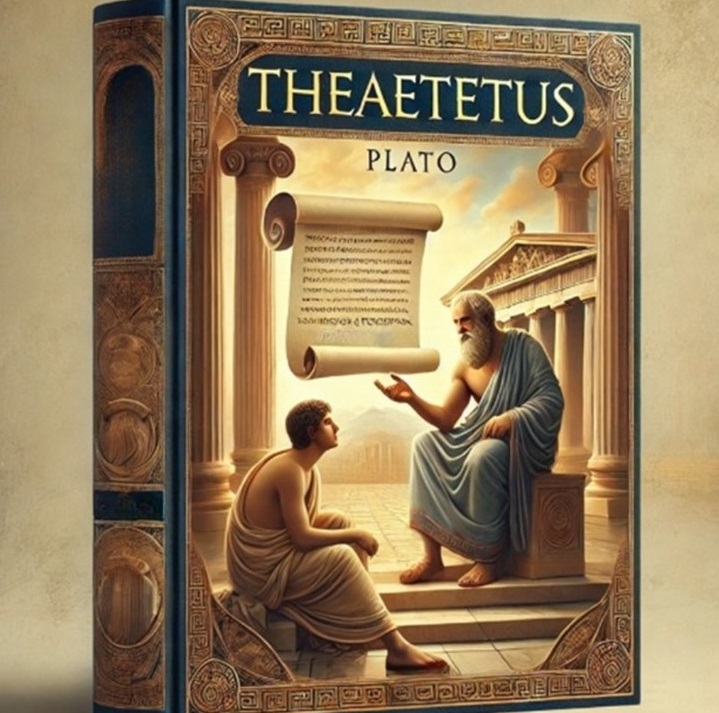
Plato, born around 427 BCE in Athens, Greece, is one of the most influential figures in Western philosophy and literature. A student of Socrates and the teacher of Aristotle, Plato founded the Academy in Athens, one of the earliest institutions of higher learning in the Western world. His works laid the foundations for Western philosophy, political theory, and ethics, and his influence spans millennia. Growing up during the Peloponnesian War, Plato witnessed the political turmoil and social instability that shaped his philosophical inquiries into justice, governance, and human nature.
Plato’s most famous work, The Republic, is a comprehensive dialogue that delves into the nature of justice, the ideal state, and the philosopher-king concept. Through the conversations led by Socrates, Plato explores the principles of an ideal society, emphasizing the roles of wisdom, courage, moderation, and justice. Another widely celebrated work is The Symposium, a dialogue that reflects on the nature of love and its connection to the pursuit of beauty and truth.
Plato’s writings are characterized by their dialogic form, where characters engage in discussions that unfold complex philosophical arguments. This method allows readers to follow the process of inquiry and gain insights into multiple perspectives. Plato’s style is eloquent and often poetic, blending rigorous logical thought with rich imagery and allegory, most famously exemplified in his “Allegory of the Cave,” which illustrates the philosopher’s journey from ignorance to enlightenment.
Readers are drawn to Plato’s work for its timeless exploration of questions that are central to human existence—What is justice? What is the nature of reality? How should societies be governed? His ability to craft philosophical concepts through engaging dialogues makes his work accessible and intellectually stimulating. Plato’s legacy endures not only as a philosopher but as a writer who shaped the way humanity contemplates truth, knowledge, and the essence of being. His works continue to be studied, interpreted, and revered for their depth and their enduring relevance in understanding the complexities of human life and society.