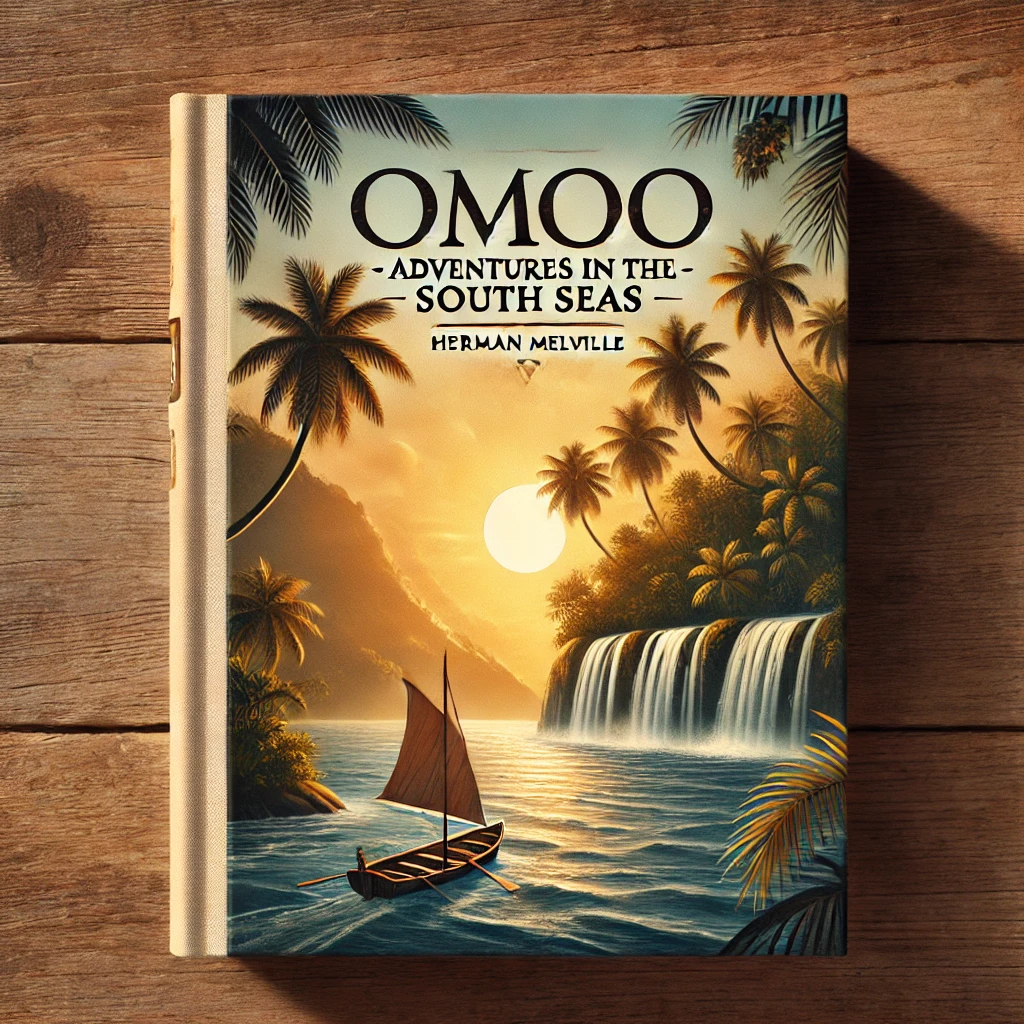
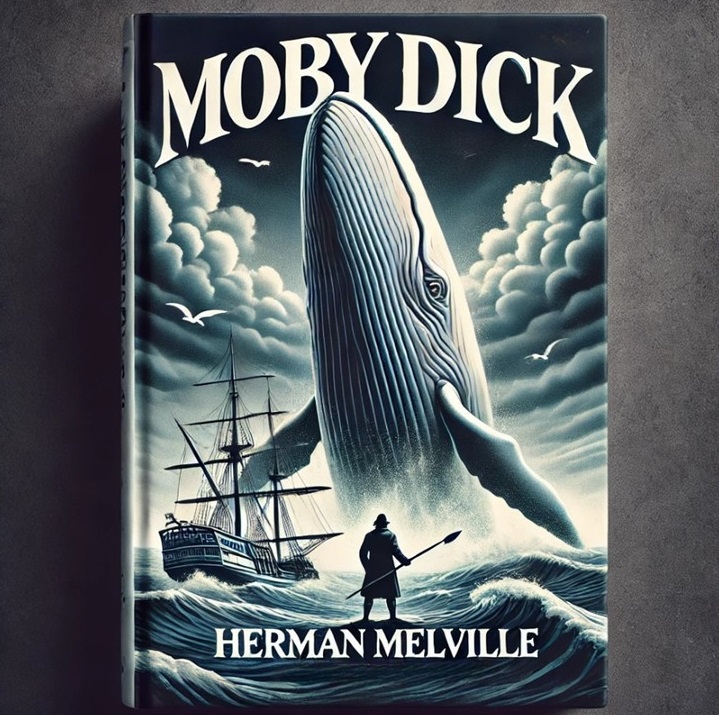
Herman Melville, born in 1819 in New York City, is regarded as one of the most profound and complex authors of American literature. His early life was marked by economic hardship following the death of his father, which forced Melville to work various jobs from a young age. This led to his adventures at sea, experiences that would later form the bedrock of his literary work. Melville’s time as a sailor on whaling ships and his travels to the South Pacific imbued him with firsthand knowledge of maritime life, exotic locales, and the vast, often unforgiving nature of the ocean—elements that feature prominently in his stories.
Melville is best known for his magnum opus, Moby-Dick; or, The Whale, published in 1851. This sprawling novel follows the obsessive Captain Ahab as he hunts the titular white whale, a pursuit that becomes an allegory for human ambition, revenge, and the existential struggle between man and nature. While initially met with mixed reviews and commercial failure, Moby-Dick has since been recognized as one of the greatest works in world literature for its deep philosophical underpinnings and exploration of fate, free will, and the limits of human knowledge.
Melville’s style blends adventure and allegory, characterized by dense, poetic prose, symbolic imagery, and an unparalleled depth of allusion to classical literature, theology, and contemporary philosophy. His works often move beyond straightforward narrative to probe the deeper questions of existence and the human condition. Other notable works include Typee and Billy Budd, Sailor, which also reflect his seafaring experiences and thematic focus on innocence, justice, and the ambiguities of moral judgment.
Readers are drawn to Melville’s work for its epic scope, intricate storytelling, and the profound questions it raises about humanity and the natural world. His writing challenges readers to look beyond the surface, engaging with themes that resonate on both an individual and universal scale. Melville’s unique voice and visionary insight ensure that his works continue to captivate and inspire readers seeking literature that delves into the very essence of human endeavour and existence.