D. H. Lawrence, born David Herbert Lawrence in 1885 in the mining town of Eastwood, Nottinghamshire, England, is celebrated as one of the most influential and controversial authors of the early 20th century. The son of a coal miner and a schoolteacher, Lawrence’s upbringing in a working-class household profoundly shaped his view of class conflict, human desire, and emotional authenticity, themes that would later permeate his work.
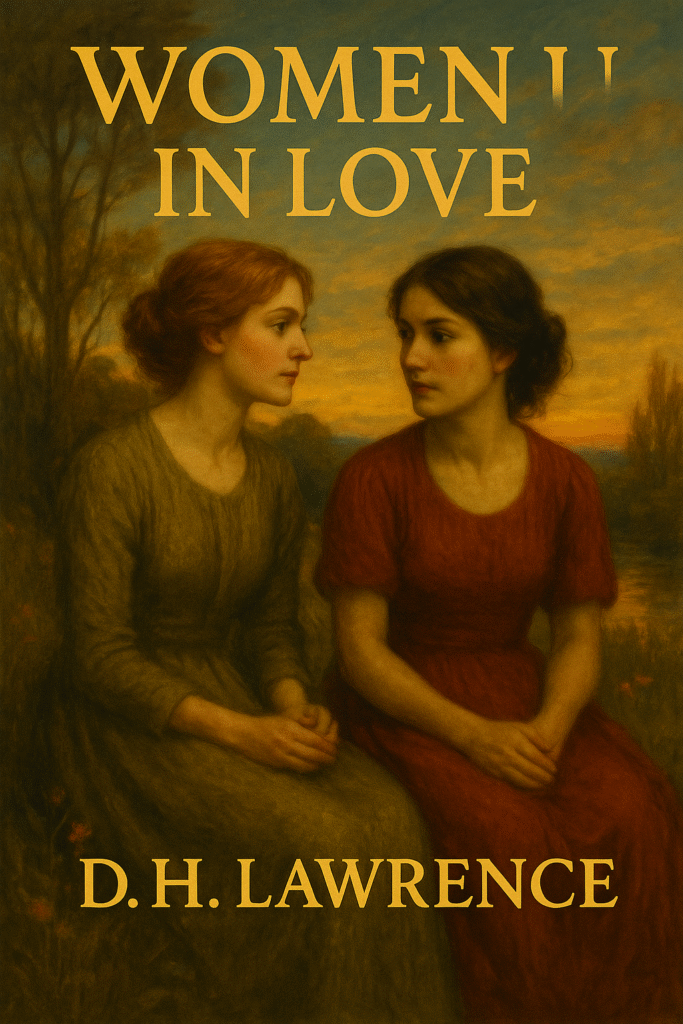
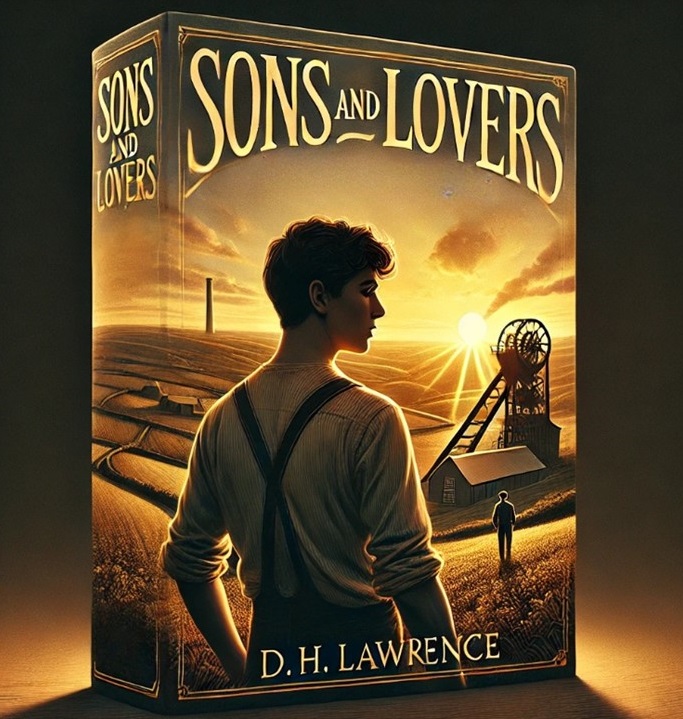
Lawrence’s most renowned novel, Lady Chatterley’s Lover (1928), is emblematic of his fearless exploration of human sexuality and the complex dynamics of love, class, and power. The story of an aristocratic woman, Constance (Lady Chatterley), and her passionate affair with the gamekeeper, Oliver Mellors, challenged the moral boundaries of its time, leading to censorship and widespread public debate. Readers are captivated by Lawrence’s unflinching portrayal of intimate relationships and the deep connection between physical and emotional fulfilment. Another notable work, Sons and Lovers (1913), draws heavily from Lawrence’s own life, exploring the intricate and sometimes suffocating bond between mother and son in a working-class family, capturing the tensions of ambition, loyalty, and personal growth.
Lawrence’s genre is modernist fiction, infused with lyrical prose and philosophical introspection. His style is characterized by its deep psychological insight, intense emotional expression, and symbolic use of nature and the environment. He was a master at portraying the raw, often conflicting desires within human beings, challenging the constraints of societal norms and repression. His writing delves into the complexities of human relationships and the search for genuine connection and self-understanding.
Readers love Lawrence’s work for its passionate portrayal of life and its willingness to push the boundaries of what was considered acceptable in literature. His stories resonate for their honest and sometimes uncomfortable exploration of human emotions and desires. Lawrence’s work remains significant for its depth, artistic bravery, and its ability to inspire conversations about love, identity, freedom, and the essence of human connection.